

Share This Article
Every June, Men’s Health Month reminds men to check their blood pressure, see a doctor and take care of their bodies. This year, advocates are pushing the conversation toward something men are far less likely to bring up: their mental health.
June is both Men’s Health Month and Men’s Mental Health Awareness Month. Men’s Health Week runs June 15 through 21, leading into Father’s Day, a stretch meant to focus on the men and boys in people’s lives.
The numbers behind the awareness push are stark. Men die by suicide at nearly four times the rate of women, according to the American Foundation for Suicide Prevention.
In 2024, more than 48,000 people in the United States died by suicide, and about 8 in 10 of them were men, federal data show. White men and middle-aged men carry some of the highest rates of any group.
Mental health struggles are common, even when they go unspoken. About 1 in 5 men experiences a mental health condition each year, according to the National Institute of Mental Health, and more than 6 million men live with depression.
Yet men are far less likely than women to seek help. Stigma and long-standing ideas about toughness and self-reliance lead many to push through pain in silence.

That silence carries a cost. Men are more likely to turn to alcohol or overwork than to a doctor, and many never tell anyone they are struggling.
Part of the problem is that depression in men does not always look like sadness. It can show up as anger, irritability, working too much, drinking more or pulling away from family and friends.
Those signs are easy to mistake for a bad mood or a personality flaw. Advocates say learning to spot them is one of the most important steps anyone can take.
Common warning signs include withdrawing from friends and family, sharp changes in mood or sleep, and a jump in drinking or drug use. Talking about feeling hopeless, trapped or like a burden to others should be taken seriously.
The risk runs especially high for some men close to home. Veterans die by suicide at a higher rate than other adults, and those in rural areas face an even greater risk, according to the Centers for Disease Control and Prevention.
Suicide is the second leading cause of death among veterans under 45, and veterans make up about 14% of adult suicides nationwide. That weighs on a county like Baxter, with its large veteran community.
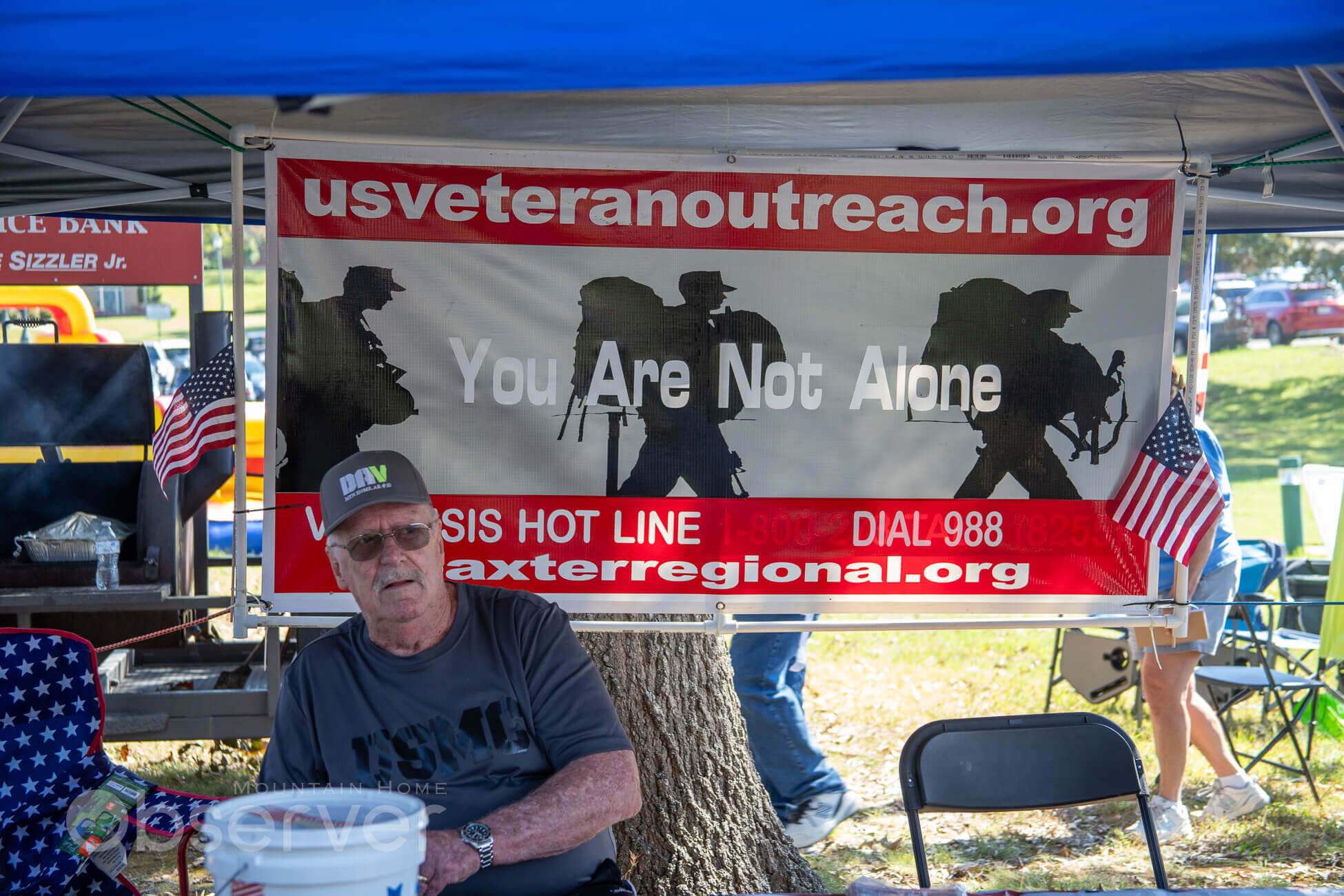
But Baxter County has also shown what prevention can do. In 2025, the county recorded zero veteran suicides, a milestone credited to the coroner’s office and local veteran groups in a place that once had Arkansas’s highest suicide rate.
The coroner’s office began identifying which suicide victims were veterans and passing that information to prevention groups in real time, rather than waiting years for federal data. Working with the local Disabled American Veterans chapter, the effort has helped cut veteran suicides in the area by about 75% over several years.
The work continues this year with events like the Run for Tomorrow 5K, which was built around suicide prevention in Baxter County and directs support to veterans outreach and the schools.
Experts say the answer is not just awareness but access and honest conversation. Checking on the men in your life, and asking how they are really doing, can open a door that stigma keeps shut.
They also point to practical steps, like making it easy to reach a counselor and safely storing firearms and medications during hard times. Seeking help, they stress, is a sign of strength, not weakness.
Men’s Health Month covers the body too. Men tend to live shorter lives than women and are less likely to get regular checkups, so the month also pushes routine screenings and preventive care.
The larger message ties the two together. Mental health is health, and caring for one means caring for the other.
If you or someone you know is struggling or in crisis, help is available. Call or text 988 to reach the 988 Suicide and Crisis Lifeline, a free service available 24 hours a day.

